Mold Clearance Testing in Indian Creek, IL
Mold clearance testing checks your cleaned work area in Indian Creek before containment removal or new finishes. Call 24/7 to arrange an independent assessment of surfaces, moisture and specified samples.
- Independent assessment after cleanup
- Visual, moisture and sample checks
- Findings before containment removal
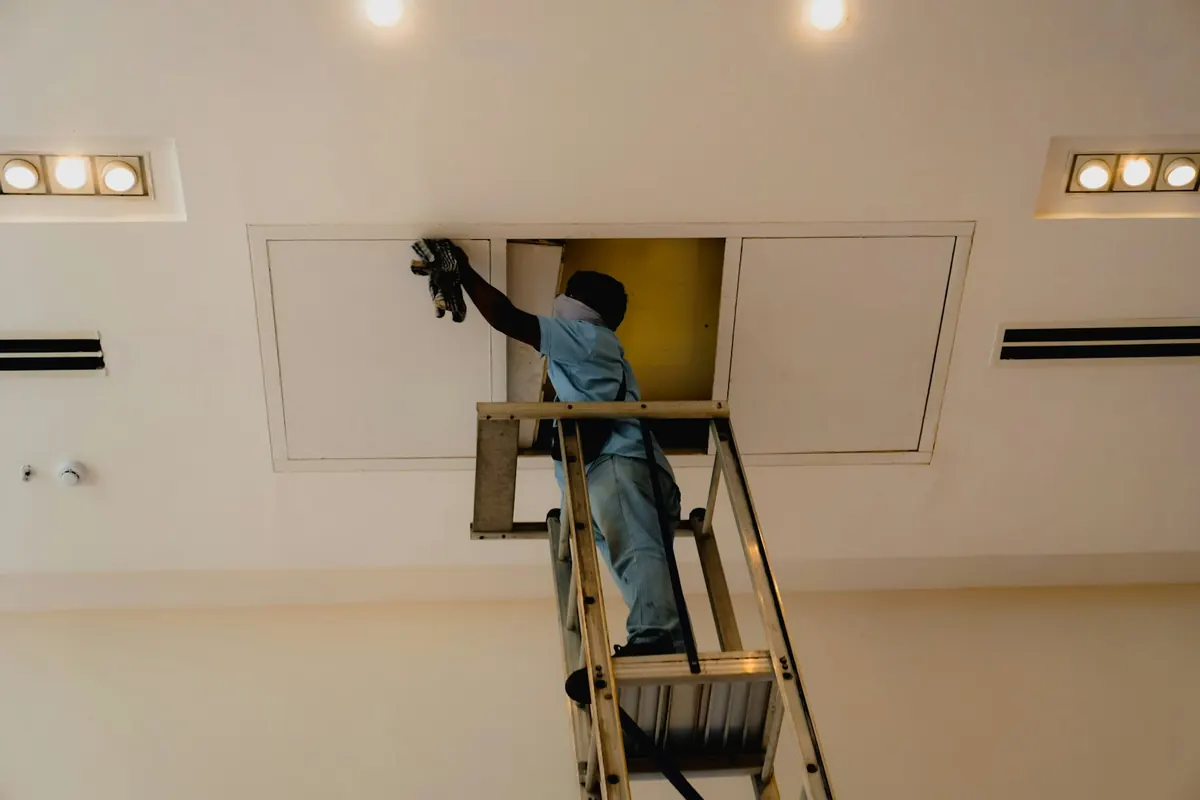
Mold Clearance Testing Services for Your Indian Creek Property
Your completed cleanup is checked against agreed clearance criteria. Accessible framing, cavities and treated surfaces receive visual and moisture checks, with sampling where the remediation protocol specifies it.
Your post-remediation verification (PRV) follows removal, then cleaning and drying. Assessment boundaries come from the scope documented in writing. Evaluation is by an independent assessor, separate from the company doing removal.
Site observations and measured moisture join lab findings in your clearance decision. The report states which tasks are done and which corrections remain. Completion of cleanup cannot be established solely from a laboratory results sheet.
- Independent final inspection
- Accessible cavity and surface checks
- Moisture mapping of retained materials
- Air or Surface Sampling as Required by the Specifications
- Clearance decision with any remaining corrections
Signs You Need a Mold Clearance Inspection in Indian Creek
Completed cleanup needs its agreed verification before release. Remaining dampness or debris may require correction first.
Dust Left on Cleaned Surfaces
Readiness is uncertain because debris still occupies the area where removal occurred.
Corrections After Failed Clearance
Your corrected work area needs reassessment after an earlier failure.
Dampness or Musty Odor Remains
You still notice a musty odor or damp spots in your treated room.
Mold Cleanup Behind Containment
A final assessment is pending for your contained workspace.
Exposed Walls Awaiting Closure
Your damaged drywall is gone, but exposed framing still needs verification before rebuilding.
How Post Remediation Verification Works in Chicagoland
Your containment stays up through the checks that follow cleanup. Independent assessment is a separate task from the removal itself.
Assessment Boundary
You establish which rooms received treatment and the cleanup stage when calling. The written protocol defines clearance criteria and sampling.
Moisture Source and Scope
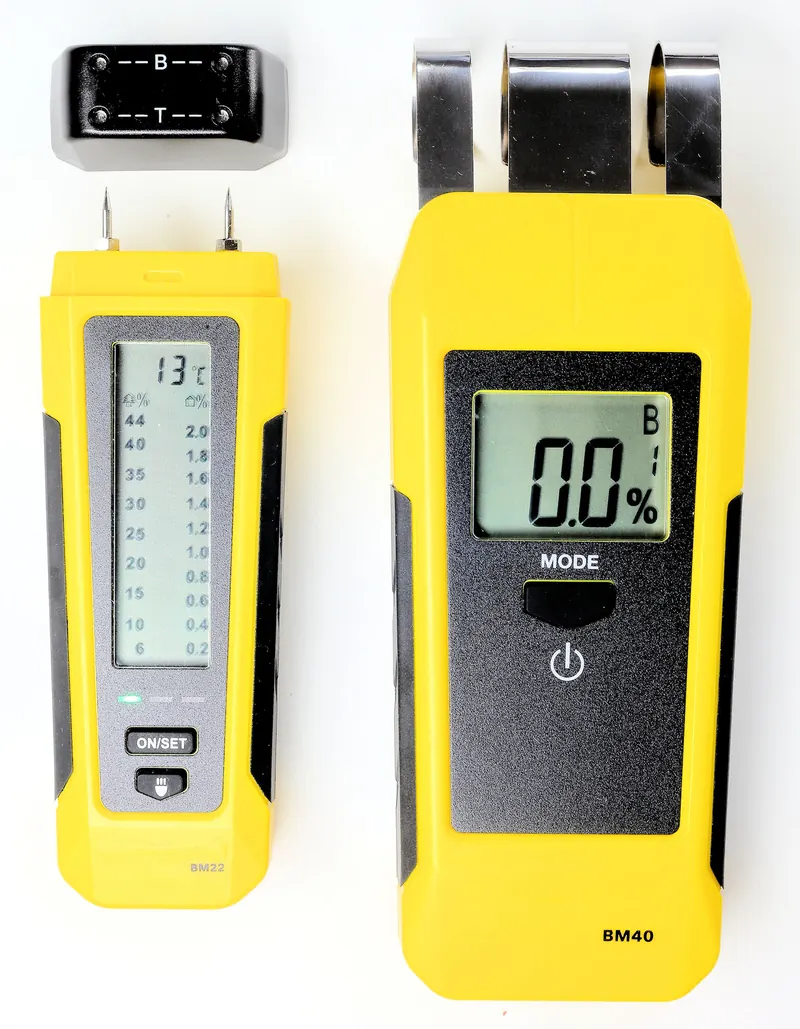
Assessment includes checking materials you retain and the moisture source. A moisture meter locates dampness, while identifying mold is beyond thermal imaging.
Contained Work Area
Containment, negative air pressure and HEPA filtration follow the cleanup scope. Conditions for sampling match your assessment protocol.
Material Removal Completed
Inspection follows the cleanup crew completing specified drywall removal and disposal of porous materials that are damaged. Cavities remain within reach.
Surface Cleaning Completed
Your inspection follows surface cleaning and HEPA vacuum work. Remaining debris needs correction; antimicrobial treatment does not replace cleaning.
Drying Checked
Retained wood and other affected materials undergo assessment using moisture readings. Dampness needs correction in affected areas before clearance.
Independent Inspection and Samples
At the final inspection, checks cover moisture and what is visible. An independent testing lab receives a spore trap, tape lift, outdoor air sample or swab sample collected where specified.
Decision Before Containment Removal
Your site findings are evaluated together with sample results. Before the cleanup crew removes containment or rebuilding starts, unmet criteria need correction followed by verification.
Mold Clearance Testing: Why Choose Chicago Mold Removal Services
Moisture and Cleaning Together
Drying, surface conditions and samples are assessed together.
Calls Answered 24/7
You have one number to begin your metro-wide assessment at any hour.
Findings Before Rebuilding
Before containment removal or new finishes, your decision sets out needed corrections.
Clear Scope Before Testing
Before testing, you receive an explanation of rooms, sampling plans and limitations.
Independent Mold Assessment
Removal work stays separate from your final assessment checks.
Preparing for Your Mold Clearance Visit in Lake County
Leave your work area as it is. Call before any new finishes conceal it.
- Keep the Work Zone Closed. Do not remove your containment barrier or poly sheeting before verification is finished.
- Leave Cleaned Surfaces Exposed. Inspection can be obstructed by painting or replacement finishes.
- Keep Equipment Settings Unchanged. Follow the assessment protocol for sampling-time settings on your HEPA air scrubber.
- Keep Access Routes Clear. Each room under assessment must be accessible with containment left undisturbed.
- Report New Water Intrusion. A new leak can alter your assessment scope.
Mold Clearance Test Cost in Indian Creek, IL
Published residential clearance costs from Inspect and Test run from $300 to $700 for a job; single-room checks in the Colorado Front Range run from $300 to $600 per assessed room. These figures are not quotes for your location. The air-sample pricing listed separately does not cover full clearance or mean an automatic surcharge.
Residential Project Clearance Following Remediation
$300 to $700 per jobSource: Inspect and Test, Mold Remediation Air Quality Testing (clearance guide) (checked 2026-10-23)Post-remediation clearance for a single room (Colorado Front Range)
$300 to $600 per roomSource: Inspect and Test, Mold Test Cost (Colorado Front Range estimates) (checked 2026-10-23)Professional Air Sample Including the Lab Fee in Colorado Front Range
$75 to $175 per sampleSource: Inspect and Test, Mold Test Cost (Colorado Front Range estimates) (checked 2026-10-23)What Affects the Cost of Your Mold Assessment
- Size of the contained area
- Testing lab analysis
- Number of rooms and samples
- Repeat inspection and re-cleaning
- Outdoor baseline sample
The Price of Your Clearance Assessment
These published national ranges are planning figures. Your on-site assessment defines the work and price before cleanup starts, including any separate source repairs or rebuilding.
Call (844) 352-3560 about costMold Clearance Testing Service Area Across Chicagoland
Call (844) 352-3560 to arrange cleanup in Indian Creek or nearby communities. One number covers the metro.
Mold Clearance Testing in Locations Near Indian Creek
ZIP codes
Answers to Mold Clearance Testing Questions in Indian Creek
Is more material removal or moisture repair part of clearance?
Clearance checks completed work and identifies remaining problems. Leak repair is separate, along with further demolition, rebuilding and drying, unless specifically included under another scope. Damp framing or remaining damaged material can prevent the area from meeting its criteria. Correction of those conditions comes before assessment completion or reassessment.
Could you see mold return following a passing result?
If moisture problems persist or fresh water intrusion occurs, mold may come back. A passing result reflects the assessed area during your visit. Your inspection checks moisture and visible conditions, but it cannot protect materials from a future leak. Moisture control must continue after remediation.
While clearance is pending, can you occupy the property?
Until all agreed checks and any corrections are finished, your work area stays restricted. Separation and access routes, together with shared ventilation, determine whether other rooms may stay usable. Household needs also shape arrangements for occupancy. Your circumstances determine suitability for staying in the property beyond what a sample result alone can establish.
How much does your mold clearance test cost in Lake County?
Rooms and sampling locations, along with laboratory analysis and any return visit, determine your price. The published cost cards above retain their original units and regional limits. What is included is defined in your assessment scope ahead of testing. Your clearance assessment is separate from corrective cleaning, replacement materials and repairs to leaks.
Is post remediation mold testing needed after every cleanup?
Sampling is not automatic after every cleanup. Whether surface or air samples support your clearance decision depends on the protocol. Visual inspection and moisture checks remain part of evaluating completed work. Specified sampling requires interpreting lab findings alongside conditions at your site, without using results alone as a pass mark.
What is the time needed for mold clearance testing in Indian Creek?
Your timing varies with readiness of the workspace, how many places need assessment and whether lab analysis of samples is necessary. The final report and your site visit are distinct stages. Incomplete cleaning and materials that remain damp can postpone your decision. Corrections may require another inspection before containment comes down.
What follows a failed mold clearance test?
Locations requiring correction and criteria that failed are identified in your report. Damp materials may need additional drying or moisture repair; debris left behind may call for re-cleaning. Those corrections must be completed by the cleanup crew ahead of reassessment. After failed clearance, repeating removal from the start in each room is not automatically necessary.
Mold Verification and Insurance for Your Illinois Property
Homeowners coverage varies with your policy terms, the source of water and the deductible. Decisions about covering testing may be separate from those for rebuilding. Ask which mold and moisture findings must be disclosed before a sale or lease in your area.
What Mold Sampling Cannot Establish Across Chicagoland
Clearance concerns the assessed area at the visit, not every indoor air quality concern.
Mold Samples Are Limited
Air sampling captures one location and time, not every concealed surface.
Moisture Still Matters
Damp materials and remaining visible mold growth still matter even when your sample count is low.
No Federal Mold Limit
No federal limit on indoor mold levels exists at EPA. Your clearance depends on project criteria rather than any universal safe number.
Spore Counts Need Context
An outdoor baseline and collection conditions inform interpretation; a spore count alone is not a clearance decision.
Cleanup scope: EPA says you can often clean an area yourself if it is under about 10 square feet. You may not need sampling.
Checking Your Materials Following Mold Removal in Lake County
Your inspection checks completed work; clearance does not include demolition or replacement.
Retained Wood
- Dampness and growth that remains are checked on cleaned framing as well as other accessible wood.
Removed Porous Materials
- Your damaged carpet, insulation and drywall may require removal ahead of assessment.
Non-porous Surfaces
- Remaining debris is checked on cleaned glass and metal along with other surfaces within reach.
Timing Your Mold Clearance in Lake County
Site readiness, the inspection, laboratory work and the eventual decision all shape your schedule.
- Readiness: Damp materials or cavities you cannot access, along with incomplete cleaning, can postpone assessment.
- Laboratory Work: Your turnaround depends on sampling methods, sample quantity and the testing lab workload.
- Corrective Work: A return visit, further drying and re-cleaning may be needed following failed clearance.
After Cleanup: Mold Odor and Moisture
A musty odor prompts investigation of retained materials and unresolved moisture. Fragrance does not remove the source.
Keep your indoor relative humidity under 60 percent; EPA's ideal range is 30 to 50 percent. Dehumidifiers do not fix leaks.
What Mold Assessment Requires in Illinois
State Mold Requirements
Illinois does not currently require mold remediation professionals to hold a state license. A Mold Remediation Registration Act (Public Act 103-0893) has passed, but the Illinois Department of Public Health says registration is not required until it finishes its rulemaking, so check its page for updates. If you are hiring someone, ask about their training and experience, and check your local contractor rules.
Project Clearance Criteria
Your assessment follows the agreed protocol and identifies uninspected spaces and access limits.
Rental Properties
Renters should report leaks and visible mold to the property owner in writing and keep a copy.
State Mold Information
The Illinois Department of Public Health Toxicology Program answers mold questions mostly by phone and email ([email protected]) and posts mold fact sheets, FAQs, and exposure tips. Onsite visits are limited to special cases.
State guidance: IDPH: Mold Remediation Registration; IDPH: Indoor Air Quality and Healthy Homes
Related Services and Next Steps
Start Your Mold Clearance Testing in Indian Creek
Call 24/7 to arrange your assessment. Your cleanup starts with the affected surfaces, moisture source and access to your home.